Types of Concrete Cutting Techniques and When to Use Each
Concrete cutting is a specialized process used extensively in construction, renovation, and repair projects. It involves various techniques tailored to meet specific project needs. Understanding the available methods and their best applications can significantly impact the quality and efficiency of your work. Depending on the project requirements, certain concrete cutting techniques will provide better results than others.
For those considering concrete cutting in Auckland, it is essential to consult trusted experts in the field. The concrete cutters auckland nz offers a variety of services tailored to residential, commercial, and industrial needs. Their experienced team utilizes advanced equipment and precision techniques to ensure that every job is executed flawlessly.
By leveraging state-of-the-art technology and professional expertise, they guarantee high-quality results suitable for any project size.
In this blog post, we will explore the common concrete cutting techniques, detailing when and why each is appropriate. This knowledge will help you make informed decisions about your concrete cutting needs, whether you’re dealing with a simple renovation or complex structural modifications.
Wall Sawing
Wall sawing is one of the most precise cutting techniques available. It utilizes a diamond blade mounted on a track to create straight, clean lines in vertical surfaces such as walls and ceilings. Wall sawing is particularly effective for creating openings for windows, doors, ducts, or electrical installations. This technique allows for accurate cuts up to 12 inches deep, depending on equipment capabilities.
When to use wall sawing? It is ideal for thick concrete walls, especially in commercial settings, where modifications are needed without disturbing surrounding structures. Additionally, wall sawing generates minimal dust and noise, making it suitable for indoor projects. Not only does it provide clean cuts, but it also keeps the work environment safe and manageable.
Floor Sawing
Floor sawing is another common technique that involves cutting horizontal surfaces. Typically, this method is used for cutting concrete slabs, pavements, or floors. Like wall sawing, floor sawing employs a diamond blade, which can be either handheld or mounted on a walk-behind machine, depending on the project’s scale. This technique can achieve depths of up to 18 inches, making it versatile for various tasks.
So, when should floor sawing be utilized? It is perfect for large-scale applications, such as roadworks or industrial flooring. Additionally, this method is useful when creating control joints in slabs to prevent random cracking. In residential projects, floor sawing can be applied for repairs and renovations, such as installing new plumbing or electrical systems beneath existing floors.
Core Drilling
Core drilling is a specialized technique designed to create circular holes in concrete. It utilizes a hollow drill bit with diamond segments, allowing for precise openings necessary for various installations like plumbing, electrical wiring, and HVAC systems. Core drilling is ideal for creating holes in walls, slabs, and even ceilings, achieving diameters ranging from a few inches to several feet.
When is core drilling appropriate? This technique is essential when installing utilities or making complex modifications that require precise openings. It is particularly beneficial in construction and remodeling projects where accurate measurements are critical. The core drilling process produces minimal debris, making it easier to maintain a clean workspace—an essential consideration in busy environments.
Hand Sawing
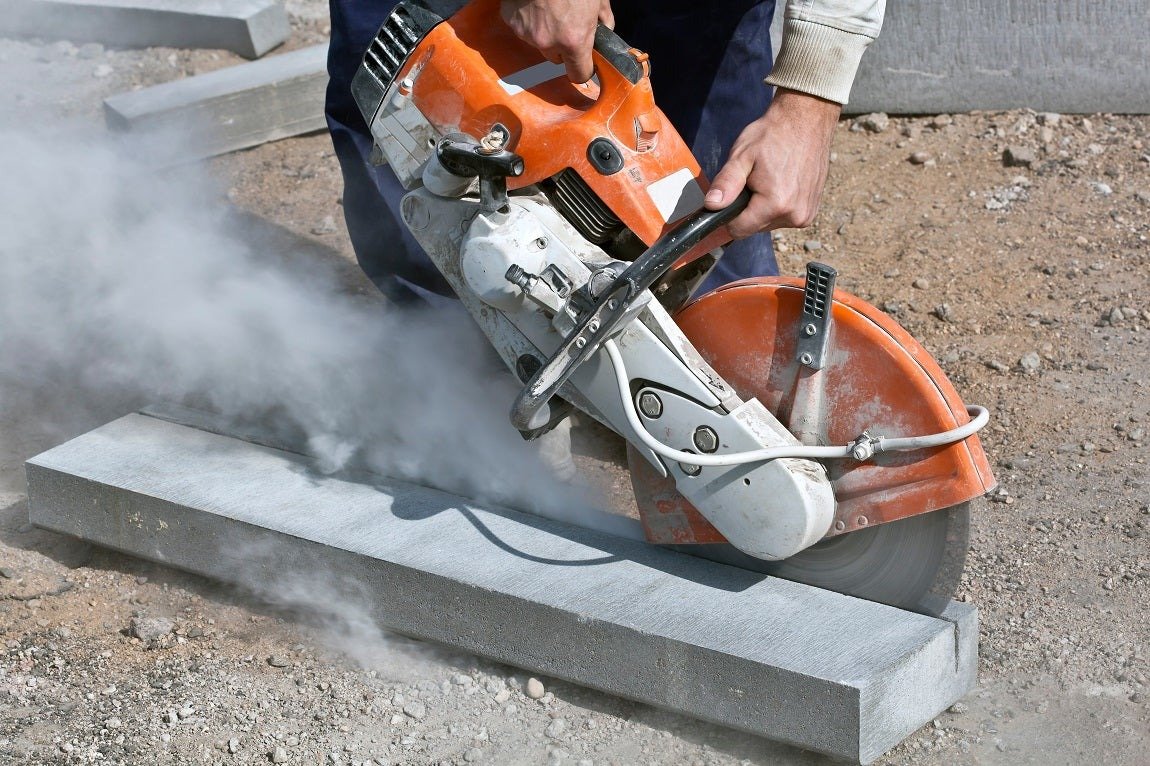
Hand sawing involves using handheld diamond saws to perform cuts in concrete and masonry surfaces. This technique is often used for smaller or more intricate projects, such as residential applications, where controlled cuts are necessary. Hand saws are versatile and easy to maneuver, allowing operators to work in tight spaces or awkward angles.
So, when should you choose hand sawing? It is most suitable for residential projects, including renovations that require adjustments like cutting out a section of a wall or slab. This method is advantageous when access to large machinery is limited or for specific applications, such as decorative cutting. Additionally, hand sawing is often quicker for small-scale jobs, allowing for greater flexibility in completing tasks efficiently.
Wire Sawing
Wire sawing is a technique designed for cutting large, thick concrete sections with precision. It involves a continuous loop of wire with diamond segments, offering a versatile solution for heavy-duty cutting tasks. This method can accommodate complex shapes and angles, making it highly effective for large industrial projects or demolitions.
When is wire sawing the best choice? It is particularly useful for projects requiring the removal of thick concrete sections, such as foundations or large structural elements. Wire sawing is favored in scenarios where traditional saw methods may struggle due to the material’s density. This technique minimizes vibration and dust, making it suitable for indoor applications where maintaining air quality is a priority.
Concrete Grinding
Concrete grinding is often used as a preparatory step before other cutting techniques or finishing tasks, such as polishing. This method involves removing surface layers of concrete to create a smooth, level surface. It is incredibly effective for eliminating imperfections, coatings, and uneven areas.
When should concrete grinding be employed? This technique is usually employed before applying new flooring materials or to ensure a safe and aesthetically pleasing finish. It is an excellent method for both residential and commercial properties, paving the way for further enhancements. For larger projects, concrete grinding can help prepare surfaces for future cutting operations by creating optimal conditions for precision work.
FAQs
What is the most common concrete cutting technique?
The most common techniques include wall sawing and floor sawing, depending on the type of project. Wall sawing is excellent for vertical cuts, while floor sawing is suited for horizontal surfaces.
How deep can concrete cutting techniques go?
Most techniques can achieve depths ranging from 6 to 18 inches, depending on the method and equipment used. Core drilling can also create holes of varying diameters.
Is concrete cutting noisy?
Concrete cutting can generate noise, but techniques like wall sawing and wire sawing minimize disturbances compared to others. Dust suppression systems also help maintain a quieter work environment.
Can I handle concrete cutting myself?
While small jobs can be managed with handheld tools, professional services are recommended for large or complex projects due to the equipment, safety standards, and expertise required.
What factors influence the choice of concrete cutting technique?
Factors include the project’s scope, the type and thickness of the concrete, access to machinery, and specific project requirements like precision and cleanliness.
Conclusion
In conclusion, understanding the various concrete cutting techniques available is essential for successful construction, renovation, and repair projects. Each method offers unique advantages tailored to specific needs, ensuring optimal results in terms of precision, efficiency, and safety.
By consulting with professionals, such as Concrete Cutters Auckland, homeowners and contractors alike can make informed decisions about which techniques to employ. This planning ensures that each project runs smoothly and meets its objectives without unnecessary complications. Armed with this knowledge, you can confidently pursue your concrete cutting needs, whether for residential, commercial, or industrial applications.