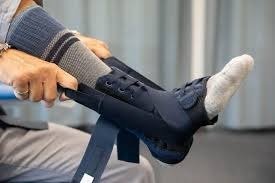
How Ankle Stabilisers Support Mobility After Injury
An ankle injury can change the way you move almost overnight. Simple actions like walking, standing, or climbing stairs suddenly require extra thought and care. Whether the injury comes from sports, a fall, or an awkward step, recovery often feels slower than expected. During this phase, many people turn to external support—and this is where an Ankle Stabiliser can play a meaningful role.
Rather than being a quick fix, ankle stabilisers are often used as part of a gradual return to normal movement. When used correctly, they can support healing tissues, restore confidence, and help people stay mobile without overloading a vulnerable joint.
Understanding Ankle Injuries and Mobility Challenges
The ankle is a complex joint made up of bones, ligaments, tendons, and muscles that work together to provide balance and movement. Injuries such as sprains, ligament tears, or post-surgical weakness can disrupt this system.
Common mobility challenges after ankle injury include:
- Instability or “giving way”
- Swelling and stiffness
- Reduced range of motion
- Fear of reinjury during movement
Without proper support, people may unknowingly compensate by altering their walking pattern, which can strain the knees, hips, or lower back.
What Is an Ankle Stabiliser?
An ankle stabiliser is a supportive device designed to limit excessive ankle movement while still allowing controlled motion. Unlike rigid casts, stabilisers aim to balance protection with mobility.
They typically work by:
- Compressing the ankle joint
- Supporting weakened ligaments
- Improving joint awareness during movement
An ankle stabiliser is commonly used during rehabilitation, light activity, or daily tasks when full strength has not yet returned.
How Ankle Stabilisers Support Recovery
1. Improved Joint Stability
After an injury, ligaments may be stretched or weakened, making the ankle feel unstable. An ankle stabiliser helps control unwanted side-to-side movement, reducing the risk of sudden twists that could delay healing.
This stability allows people to move with greater confidence during walking or light activity.
2. Encouraging Safer Movement Patterns
When pain or instability is present, people often adjust how they walk without realizing it. Over time, these altered movement patterns can create new problems.
By supporting the ankle, a stabiliser helps promote more natural movement, reducing unnecessary stress on surrounding joints.
Supporting Mobility Without Over-Restriction
One of the biggest concerns with joint supports is whether they restrict movement too much. A well-fitted ankle stabiliser is designed to support—not immobilize—the joint.
The goal is to:
- Allow controlled motion
- Reduce harmful movement
- Support gradual return to activity
This balance is especially important during rehabilitation, where movement itself is part of the healing process.
The Role of Confidence in Recovery
Recovery isn’t just physical—it’s mental too. Fear of reinjury can cause people to limit movement even after tissues have healed. This hesitation often slows progress.
Wearing an ankle stabiliser can provide reassurance, making people feel more secure during daily activities. That confidence often leads to better engagement in rehabilitation exercises and normal movement.
Why Ankle Support Affects the Whole Body
An ankle injury rarely affects just the ankle. When stability at the ankle is compromised, the body often compensates higher up the chain.
For example:
- An unstable ankle can increase knee strain
- Knee discomfort may affect hip alignment
- Poor alignment can lead to back fatigue
This is why joint support is sometimes combined across areas. Along with an ankle stabiliser, people may also benefit from elastic knee braces support or Magnetic Knee Support when knee discomfort develops during recovery.
Brands like Bodyassist focus on practical support solutions that recognize how interconnected the body is during movement and recovery.
When an Ankle Stabiliser Is Most Helpful
An ankle stabiliser can be especially useful:
- During the transition from rest to movement
- While returning to work or daily routines
- During low-impact activities
- When walking on uneven surfaces
It is not meant to replace rehabilitation exercises or professional care but to complement them.
Using an Ankle Stabiliser Safely
To get the most benefit:
- Ensure proper fit – Too tight can restrict circulation; too loose reduces support
- Use during activity – Not necessarily during rest
- Pair with strengthening – Gentle mobility and strengthening exercises help long-term recovery
- Avoid long-term dependency – Gradually reduce use as stability improves
Listening to your body is key. Discomfort or increased pain may be a sign that adjustments are needed.
Is an Ankle Stabiliser a Long-Term Solution?
In most cases, ankle stabilisers are best used temporarily. Their role is to support healing and restore confidence, not replace natural strength.
Long-term mobility improves most when stabilisers are combined with:
- Strength training
- Balance exercises
- Proper footwear
- Gradual increase in activity
Used thoughtfully, they can support recovery without limiting progress.
Final Thoughts
An ankle injury doesn’t have to mean long-term loss of mobility. With the right balance of support and movement, recovery can be both safe and effective.
An Ankle Stabiliser can help provide the stability needed during vulnerable stages of healing, allowing people to move with confidence while protecting the joint. When combined with mindful rehabilitation and full-body support strategies, it becomes a valuable tool—not a crutch—on the path back to normal movement.
Frequently Asked Questions (FAQs)
1. How long should I wear an ankle stabiliser after injury?
It depends on the severity of the injury. Many people use it during activity for several weeks, gradually reducing use as strength and stability return.
2. Can an ankle stabiliser prevent future injuries?
It may reduce risk during recovery or high-risk activities, but strengthening and balance training are essential for long-term prevention.
3. Can I walk normally while wearing an ankle stabiliser?
Yes, most stabilisers are designed to support natural walking while limiting harmful movement.
4. Should I wear an ankle stabiliser while exercising?
Low-impact exercise may be appropriate, but it’s best to follow professional guidance during rehabilitation.
5. Do I need other joint supports during ankle recovery?
Some people experience knee strain due to altered movement. In such cases, elastic knee braces support or Magnetic Knee Support may help improve overall alignment and comfort.
Disclaimer
The information provided in this article is for general educational and informational purposes only and is not intended as medical advice. Ankle stabilisers may support mobility and recovery after injury, but individual needs vary based on the type, severity, and stage of injury. Always consult a qualified healthcare professional, such as a doctor or physiotherapist, before using an ankle stabiliser or starting any rehabilitation program. The use of ankle stabilisers should complement—not replace—professional medical care, personalized exercise, or prescribed treatment. The authors and publisher are not responsible for any injury, complications, or adverse effects resulting from the use of products or techniques described in this article.