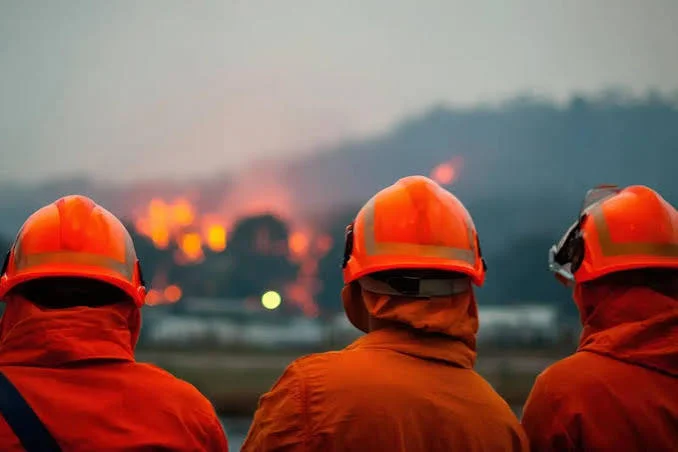
When Is a Fire Watch Legally Required? A Complete Guide for Business Owners
In case the primary system of fire prevention in the building does not function for more than four hours, a fire watch should be established. A fire watch is also required in case the job is hazardous and when the local AHJ requests for it. When conducting a fire watch, an individual continuously checks for smoke or fire manually. In case any suspicious signs are found, the information is shared with other people immediately.
Code requirements for commercial properties such as shops and offices include awareness of local building codes and national fire safety standards. In case there is no functioning automatic system or in case there is much heat from the building activities, the property owner cannot vacate the site without establishing a fire watch.
Adding a clear commercial occupancy fire watch means that trained safety staff will stay in the areas that have to be safe. They make sure safety rules are followed until things are back to normal.
Primary Triggers That Legally Require a Fire Watch
Local fire marshals and national codes tell you when you must have physical monitoring. If you know what causes this, you can act fast. Managers can do things before problems happen. This helps them stay away from legal trouble.
1. Life Safety System Impairments and Outages
Under NFPA 101 (Life Safety Code) and NFPA 25, a fire watch is required to be established when critical life safety features are inoperative.
Fire Alarm Outages: This occurs when the alarm or notification system is inoperable for more than 4 hours in a day.
Sprinkler System Failures: This occurs when the standpipe system, waterflow, or sprinkler system main valves are turned off for more than 10 hours in a day.
2. High-Risk Hot Work Operations
Occupations that deal with welding, cutting, soldering, and torching are associated with risks of sparks and open flame creation. As stated by OSHA Standard 29 CFR 1910.252, fire watchers are needed at a workplace during the entire time that a workplace is manned or during 30–60 minutes after finishing hot work. A fire watcher is present all the time and monitors a workplace for any ignitions.
3. Special Events and Overcrowded Venues
Special events such as trade shows and indoor concerts that require city permits sometimes need safety personnel. This is the case with large crowds inside a building or where temporary structures may cause alarm or exit access issues, and local fire departments request safety watches.
4. Demolition and Construction Hazards
Demolition and construction worksites that are high-risk, such as those involving high-rise wood frame buildings or standpipe systems, require frequent safety patrols. Patrols check for fire hazards such as hoarded combustibles, numerous temporary electrical circuits, and space heaters left unattended.
Core Duties of Designated Fire Watch Personnel
People on watch duty need to do simple jobs only. They should not fix things. They should not help run events. They should stick to their main job.
According to rules shared by business sites, having safety steps at work helps to bring down risks in how things go. This also keeps the company safe if something bad or unexpected happens.
For all the facts on how to keep your life safety system going, read the guidelines from the National Fire Protection Association (NFPA).
Keeping up with a good commercial occupancy fire watch helps your building be safe. It makes sure that things work well during system checks, building work, or when things break without warning.
Frequently Asked Questions (FAQ)
Who is eligible to be fire watch guard?
Guard should be able to spot risks, operate portable fire extinguishers, locate the exits inside the building and be aware of how to communicate in emergency situation. While patrolling, they should not engage in any other activity.
Is it possible for business owners to arrange their own fire watches?
Yes, that is possible provided they are properly trained. They should focus only on spotting any problems during their shift. Properly kept written logs should be maintained by staff. In addition, they should perform according to the instructions given by the local fire marshal.
What are the consequences if business fails to arrange fire watch?
You will receive the stop-work order in no time if fire watch is not arranged despite a malfunctioning of fire detection system. It is quite possible that you will face penalties from city. At times, everyone may be asked to leave the building. Moreover, in case of fire your business insurance company will not provide coverage to you.
Conclusion
Understanding when you need a fire watch according to the law keeps your business, employees, and all individuals safe from any kind of danger. In case there is a problem with your sprinklers and alarm system, it becomes imperative that you should take immediate action. Every single time you do the inspection; note it down. You will be required to adhere to NFPA and OSHA regulations. With this, people running their businesses can abide by the law. Your plan of safety will ensure your team’s safety.