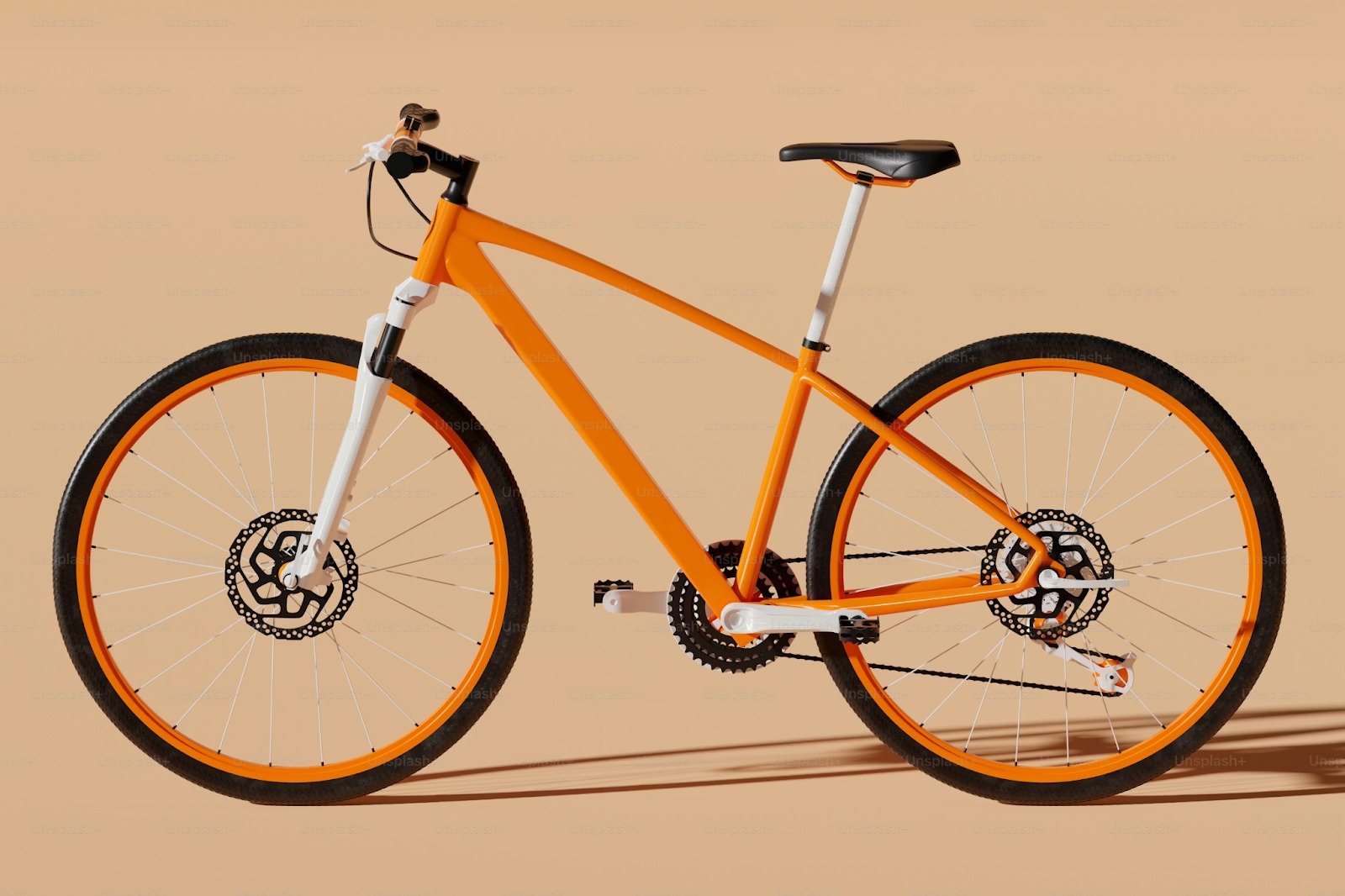
EBikes and the Environment How They’re Changing the Green Commuting Game
In the search for a more sustainable future, the American commuter is increasingly looking beyond the electric car to find a more efficient, agile solution. As urban centers become more congested and the climate crisis intensifies, the commuter e bike has emerged as a cornerstone of the green mobility movement in 2026. This isn’t just about adding a motor to a bicycle; it is about a fundamental shift in how we perceive urban space, energy consumption, and our personal carbon footprints.
By choosing the lightest electric bike available for daily transit, riders are proving that small, smart changes can deliver massive environmental returns. As we move toward a “Net Zero” future, the e-mobility revolution is proving that the most effective tool for decarbonization isn’t necessarily a 5,000-pound SUV with a massive battery—it’s a lightweight, two-wheeled vehicle that integrates seamlessly into the modern city.
The Massive Carbon Advantage Over Traditional Vehicles
The most striking argument for the environmental impact of electric bikes lies in their lifecycle carbon analysis. While electric vehicles (EVs) are a significant improvement over internal combustion engines, they still require massive amounts of energy and raw materials to manufacture.
Comparing Lifecycle Emissions from Factory to Street
A typical gasoline car takes roughly 6 to 9 tons of $CO_2$ to manufacture, and an electric SUV can take even more due to the massive battery required to move such a heavy frame. In contrast, the manufacturing of an electric bike accounts for roughly 134–165kg $CO_2e$. This dramatic difference means that from the moment you take your first ride, you are starting with a significantly lower “carbon debt.”
Why Smaller Batteries Lead to Heavier Environmental Wins
Efficiency in 2026 is measured by how much “vehicle” you have to move to transport one “person.” Most cars weigh 4,000 lbs just to carry a 180-lb human. An eBike weighs about 50 lbs. This radical reduction in weight means every watt of energy goes directly into motion rather than fighting inertia. Furthermore, smaller batteries (averaging 400–800Wh vs. 75–100kWh in cars) mean less demand for lithium, cobalt, and nickel mining, reducing the ecological disruption in regions where these minerals are sourced.
Breathing Easier with Zero Tailpipe Emissions in US Cities
Urban air quality is a public health crisis in many American metros. Traditional vehicles contribute significantly to ground-level smog and particulate matter, which are linked to respiratory diseases and cognitive decline.
Scrubbing Smog and Particulates from Urban Corridors
Unlike cars, which release nitrogen oxides ($NO_x$) and $PM_{2.5}$ through both exhaust and heavy brake wear, electric bikes produce zero tailpipe emissions. By replacing car trips under 10 miles—which account for nearly 60% of all household trips in the US—riders are actively “scrubbing” the air in our most densely populated neighborhoods. This shift is particularly vital for disadvantaged communities living near major highways and freight corridors.
Silencing the Streets to Reduce Noise Pollution
We often forget that noise is a form of pollution. High levels of urban noise are linked to increased cortisol levels and cardiovascular stress in humans. The whisper-quiet operation of modern motors turns a chaotic, loud street into a tranquil corridor, improving the “livability” score of our urban environments.
Solving the 2026 Battery Recycling Puzzle
The primary criticism of electric mobility has always been the “afterlife” of the battery. As of early 2026, however, the US has made significant strides in closing the loop on lithium-ion waste through new legislation.
New US Mandates for Circular Lithium Economics
New federal and state-level mandates in 2026 now require Extended Producer Responsibility (EPR) for all micromobility batteries. In states like Illinois, Vermont, and California, manufacturers are now legally required to participate in collection programs like Call2Recycle. This ensures that the lithium and nickel inside your bike are recovered and reused in new products rather than ending up in a landfill.
Ethical Sourcing for Modern Micromobility
Beyond recycling, the industry is pivoting toward “conflict-free” supply chains. Many US-based brands now utilize blockchain tracking to verify that the materials used in their motors are sourced from mines that adhere to strict environmental standards.
Urban Space Efficiency and the End of Congestion
Environmentalism is also about land use. In many American cities, up to 50% of urban land is dedicated to cars—either for driving or parking.
- Pavement Reduction: Ten eBikes can fit into the parking space of a single Ford F-150. By reducing the demand for asphalt, cities can reclaim land for “pocket parks,” which act as carbon sinks and reduce the urban heat island effect.
- Infrastructure Preservation: Because these bikes weigh so little, they cause virtually no wear and tear on roads. This saves local governments from the carbon-intensive process of frequent road repaving and concrete production.
Federal Incentives Driving the Transition to Green Commutes
The US government has recognized that subsidizing these vehicles is a high-leverage way to meet climate goals. In 2026, the incentive landscape is more robust than ever for those looking to switch.
The commuter e bike now provides a 30% refundable tax credit for new purchases, capped at $1,500. When combined with local “Climate Rebates” in states like Colorado and Minnesota, the cost of a high-quality machine is often lower than the annual insurance premium on a car. This makes green transit an option for middle- and low-income families, not just a luxury for enthusiasts.
Choosing Your Role in a Cooler Future
The shift toward green commuting in 2026 isn’t just a technological change; it’s a cultural one. By choosing an eBike, you are making a daily vote for a quieter, cleaner, and cooler planet. Every trip to the grocery store or the office that is pedaled rather than driven is a direct contribution to the global effort to reduce emissions.
We no longer have to wait for a distant “future” technology to save our cities. The solution is already here, leaning against the walls of our garages and parked at our office desks. It’s time to stop queuing in traffic and start participating in the most effective green game on the planet.
Disclaimer
The information provided in this article, “eBikes and the Environment: How They’re Changing the Green Commuting Game,” is for general informational and educational purposes only. While every effort has been made to ensure accuracy, completeness, and timeliness, environmental data, government incentives, regulations, and technology standards may change over time.
This article does not constitute professional, legal, financial, medical, or environmental advice. Readers should conduct their own research and consult with qualified professionals or official government sources before making purchasing decisions, claiming tax incentives, or altering commuting habits.