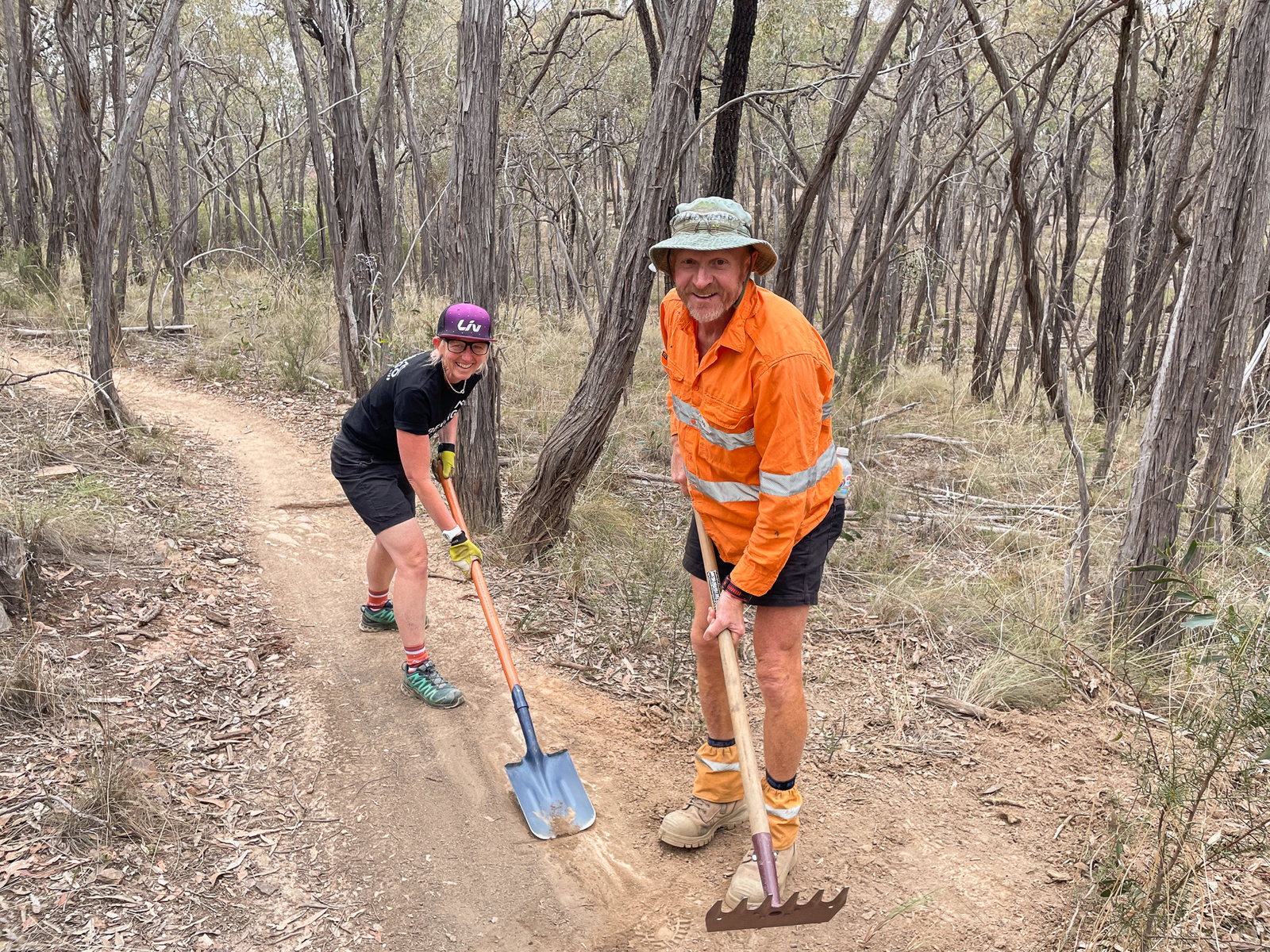
Essential Pathway Maintenance Tips for Safer Public Spaces
Pathways don’t usually get much attention until something goes wrong. A loose paver, an overgrown edge, a patch of uneven concrete… Suddenly the space isn’t just uninviting, it’s unsafe. That’s why pathway maintenance matters.
It keeps public spaces walkable, reduces accidents and helps communities feel more connected. Let’s check out a few practical ways to keep pathways in good shape year-round.
Top 7 Essential Pathway Maintenance Tips
Here are the key tips for pathway maintenance to keep public spaces safe:
Start with Regular Inspections
The easiest way to avoid major repairs is to catch small issues early. A quick walk-through every few weeks can tell you a lot. Look for cracks, water pooling, loose stones, damaged edges or spots where the surface starts lifting.
Most problems grow slowly, so when you notice them early, repairs are cheaper and simpler. Councils, facility managers and community groups often create inspection schedules to stay ahead of wear and tear. Even a simple checklist makes a big difference.
Manage Vegetation Before It Gets Wild
Nature doesn’t wait for anybody. Trees push up pathway surfaces, grass creeps over the edges, and low branches become hazards. Keeping vegetation under control is one of the most important parts of pathway maintenance by Civilcraft.
Trim branches that hang too low, remove weeds between pavers and keep the edges neat. It improves visibility and stops roots from damaging the pathway base. It also helps keep walkways accessible for prams, wheelchairs and mobility aids.
Keep Drainage Clear
Water is one of the biggest enemies of any pathway. When drainage gets blocked, water pools. That leads to slippery surfaces, erosion and long-term structural damage. If the pathway sits near garden beds, dirt and mulch can wash onto the surface after rain.
Checking drains, gutters and side channels after storms is a smart habit. Clearing debris regularly keeps water moving where it should. Good drainage isn’t glamorous, but it’s the backbone of safe public pathways.
Repair Surface Damage Quickly
Minor damage doesn’t stay minor for long. A small crack becomes a large one once water and temperature changes get involved. Loose pavers shift around every time someone steps on them. Before you know it, the pathway becomes uneven and unsafe.
Quick patches, concrete filler, re-levelling or paver resets help maintain the surface before it gets out of hand. If a section is severely damaged, replacing a small area is much cheaper than redoing the entire pathway.
Improve Lighting and Visibility
Here’s a tip people often forget: pathway safety doesn’t stop at ground level. Lighting plays a massive role. Even a perfectly maintained walkway becomes risky in poorly lit areas. Good lighting helps prevent trips and falls and makes public spaces feel safer at night.
LED strips and well-placed overhead lights are common solutions. Adjusting angles or replacing dull bulbs is an easy win. Visibility also includes clear signage, reflective markers and contrast strips on steps. These small details guide pedestrians and help them spot hazards early.
Keep Surfaces Clean
Dirt doesn’t just look messy. It hides hazards and makes surfaces slippery. Regular sweeping or pressure cleaning keeps pathways safe and sharp. It is essential after heavy rain, festivals, park events or windy days.
Cleaning also slows down wear by preventing mould, algae and moss from taking over. Once those are set in, pathways become slick and require more intense treatment.
Make Accessibility Part of the Plan
Safe pathways serve everyone. That means thinking about ramps, tactile markers, smooth transitions, handrails near slopes and enough width for mobility aids. When you factor accessibility into your maintenance routine, public spaces become more inclusive by default.
Even small adjustments like levelling trip edges or adding grip strips can make a meaningful difference for pedestrians who need extra support.
Final Thoughts
Pathway maintenance isn’t complicated, but it does require consistency. Regular checks, clean surfaces, clear drainage and prompt repairs keep public walkways safe and pleasant to use. When pathways are cared for, communities feel the difference.
People walk more, parks stay busier, and public spaces simply work better. If you’re managing a council area, school, office complex or community facility, take pathway maintenance seriously. A little attention now saves a lot of headaches later.
FAQs
1. How often should pathways be inspected?
Every few weeks works well for most public spaces, but high-traffic areas may need more frequent checks.
2. What causes uneven pathways?
Tree roots, soil movement, water damage and poor installation are the most common reasons.
3. Why is drainage so important for pathway maintenance?
Standing water weakens surfaces, causes cracks and makes pathways slippery.
4. How can I prevent moss and algae on pathways?
Regular cleaning and proper drainage help. Shaded, damp areas may need occasional pressure washing.
5. Are damaged pavers easy to fix?
Yes. Individual pavers can be lifted, re-levelled or replaced without major downtime.
Disclaimer
The information provided in this article, “Essential Pathway Maintenance Tips for Safer Public Spaces,” is intended for general informational and educational purposes only. While every effort has been made to ensure accuracy and relevance, the content does not constitute professional engineering, construction, legal, or safety advice.
Pathway conditions, materials, environmental factors, and regulatory requirements can vary significantly by location. Readers should consult qualified professionals, local authorities, or certified contractors before carrying out any maintenance, repairs, or safety modifications to public or private pathways.