7 US Cities Worth Every Mile in 2026: A Digital Nomad’s Real Travel Breakdown
TLDR: If you are planning your first or fifth trip across America in 2026, these 7 destinations offer the best mix of culture, connectivity, and experiences for travelers and digital nomads alike. From volcanic landscapes to jazz-soaked streets, this guide cuts through the noise and tells you exactly what to expect, city by city.
America does not run short of places that stop you mid-scroll. But not every destination earns a return ticket. After months of firsthand travel testing, budget comparisons, and remote work experiments across the country, this list focuses on cities and regions that genuinely deliver in 2026, especially for travelers who stay connected, work on the go, and refuse to settle for mediocre experiences.
Before flying in, one thing worth checking is whether your device supports an eSIM. Travelers who want seamless US data coverage without hunting for a SIM card at the airport should first confirm their handset is compatible. Mobimatter maintains an updated list of eSIM compatible phones that covers hundreds of models across Apple, Samsung, Google, and more. Getting this sorted before departure saves real time.
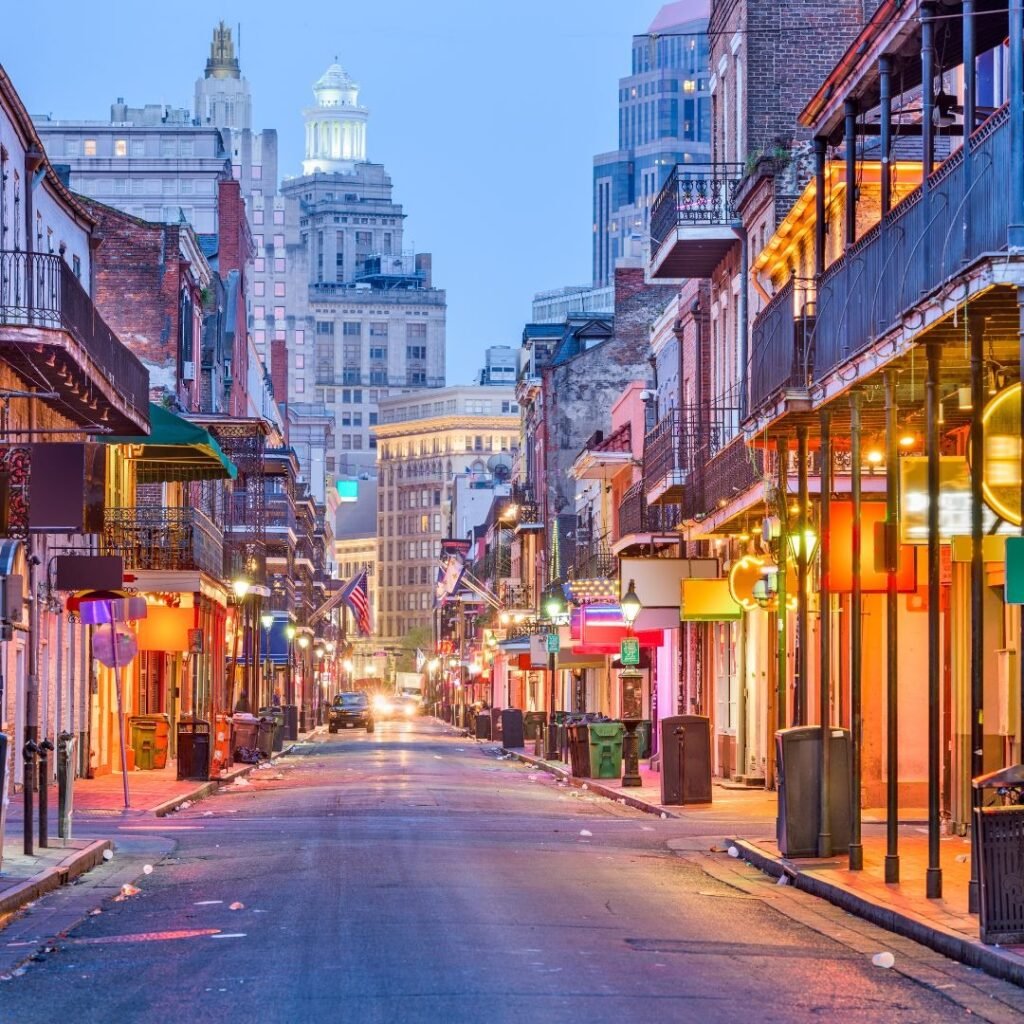
1. New Orleans, Louisiana: Culture That Hits Different
New Orleans in 2026 is not just about Mardi Gras. The city has rebuilt its food and music scene into something more layered and local-forward than ever. The French Quarter still draws crowds, but neighborhoods like Bywater and Tremé give you the real rhythm of the city, street murals, second-line parades, and corner restaurants where nobody speaks above a whisper because the gumbo does the talking.
For digital nomads, coffee shops with solid WiFi have multiplied significantly. Remote workers have quietly adopted Magazine Street as a weekday base. Accommodation ranges from budget guesthouses in Marigny to boutique hotels in the Garden District.
Best time to visit: February for Mardi Gras, October for Jazz Fest energy without peak pricing.
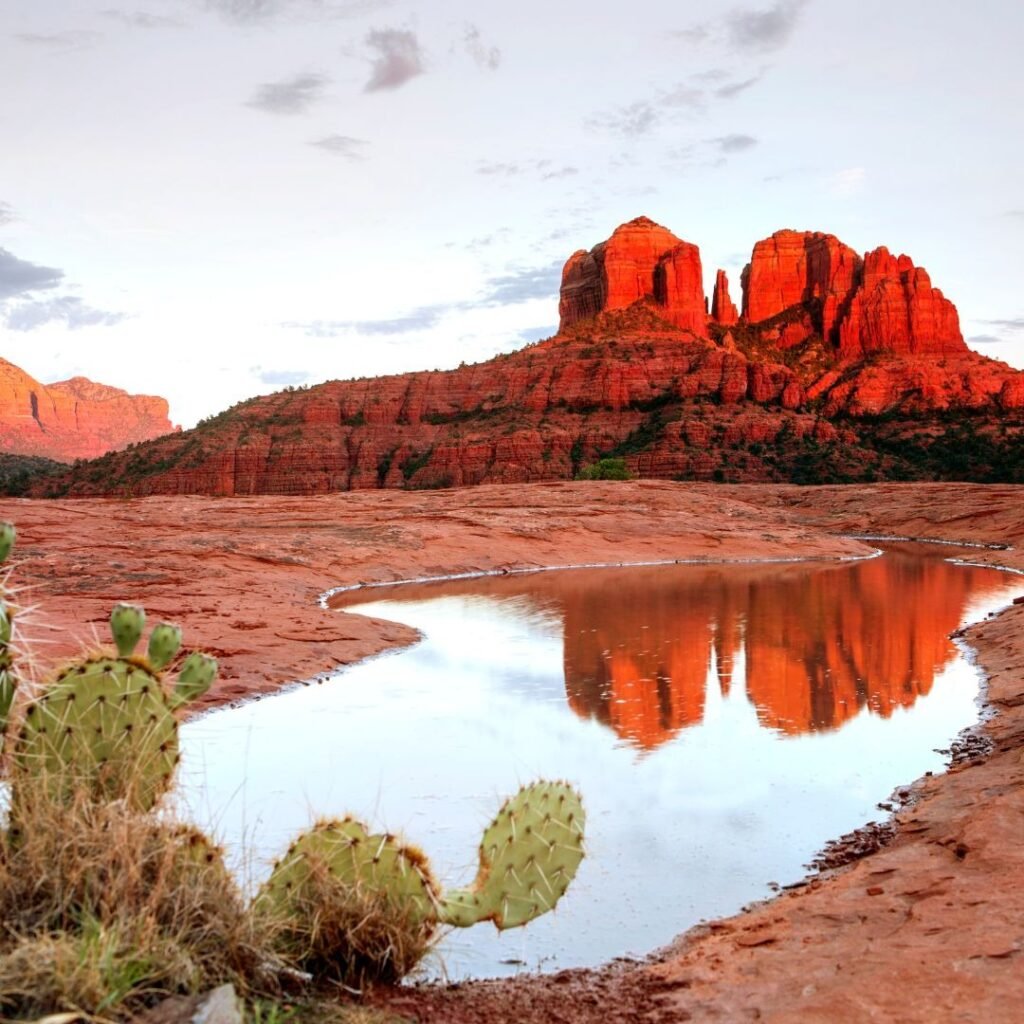
2. Sedona, Arizona: Red Rocks and Reset Mode
Sedona keeps appearing on every wellness travel list for a reason. The red rock formations around Cathedral Rock and Bell Rock are genuinely stunning in a way that no photograph fully captures. Beyond the scenery, Sedona has grown into a serious destination for hikers, retreaters, and travelers who want to slow down without being bored.
The town itself is small and walkable. Jeep tours into the backcountry remain one of the best ways to cover terrain that foot traffic cannot reach. eSIM coverage here is reliable on major US carriers, making it easier for remote workers to maintain connectivity even when exploring outside town limits.
Average trip length that makes sense: four to five days.
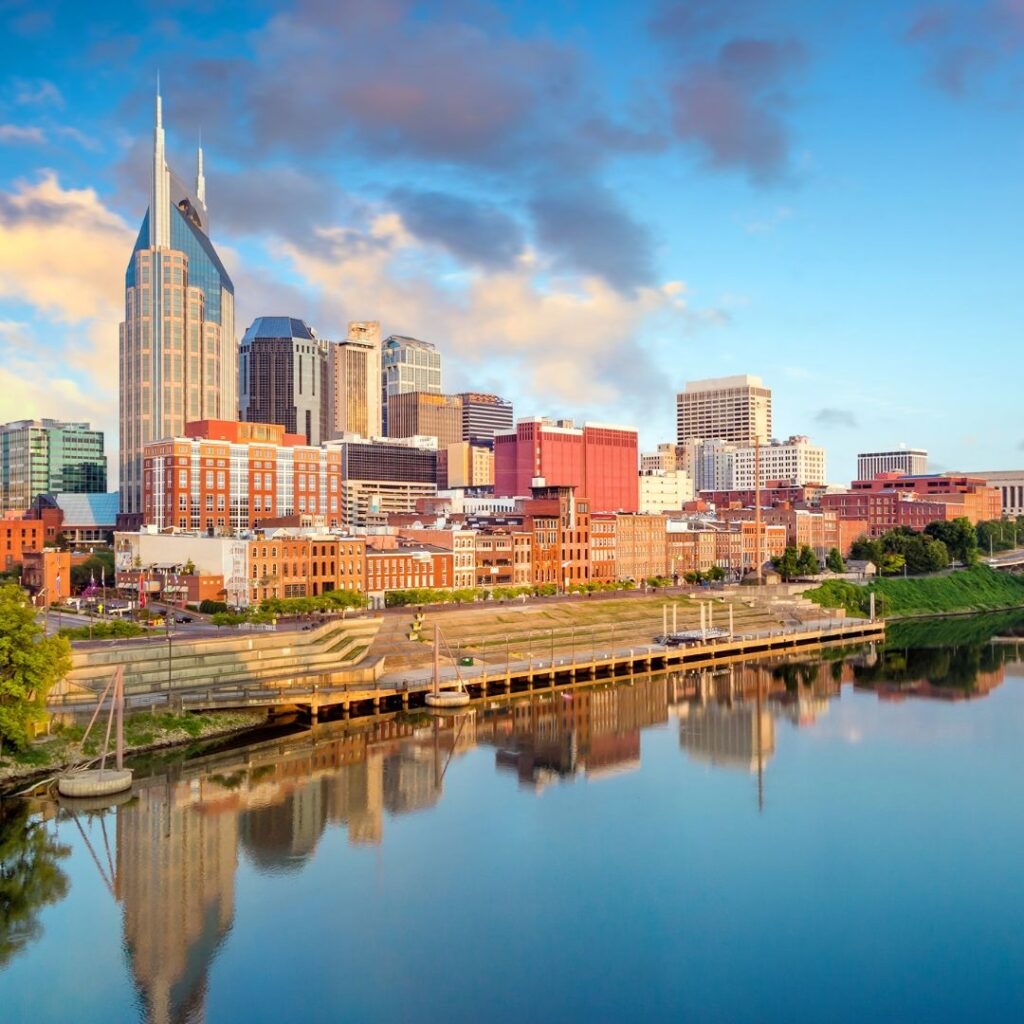
3. Asheville, North Carolina: Mountains, Beer, and a Thriving Arts Scene
Asheville earned its reputation as one of the most creative small cities in America. The River Arts District has transformed old industrial buildings into working studios open to the public. Local breweries outnumber most cities twice its size, and the surrounding Blue Ridge Parkway offers some of the most scenic drives on the East Coast.
For first-time visitors, the combination of affordability relative to other East Coast destinations and genuine character makes Asheville a strong pick. It is not trying to be anything it is not, which is increasingly rare.
4. Honolulu, Hawaii: More Than a Beach Stop
Most people land in Honolulu and head straight to Waikiki. That is fine. But the travelers who stay longer discover a city with serious depth. The North Shore of Oahu offers a completely different pace. Diamond Head hike rewards early risers. The Polynesian Cultural Center gives context to Hawaiian history that no hotel lobby brochure can match.
For international visitors and digital nomads flying through the Pacific, Honolulu is also a logical connectivity hub. Mobimatter offers eSIM plans that cover Hawaii alongside the continental US, which matters for travelers building multi-destination itineraries. Checking the full range of best places to visit in USA for first time before planning helps travelers connect destinations logically rather than bouncing around the map with no structure.
Data connectivity on the outer islands can be patchy. Having an eSIM pre-loaded with a reliable plan removes that friction entirely.
5. Chicago, Illinois: Architecture, Deep Dish, and Real Neighborhoods
Chicago in 2026 is a city that rewards wandering. The Architectural Boat Tour on the Chicago River remains one of the most genuinely interesting two hours you can spend in any American city. Beyond downtown, neighborhoods like Pilsen, Logan Square, and Andersonville each feel like a different city. The food scene is not just deep dish, though the deep dish is not optional.
For remote workers, Chicago has strong infrastructure. Co-working spaces have expanded significantly post-pandemic. Public transit connects most neighborhoods efficiently. Hotel pricing, while not cheap, runs lower than New York or San Francisco for comparable quality.
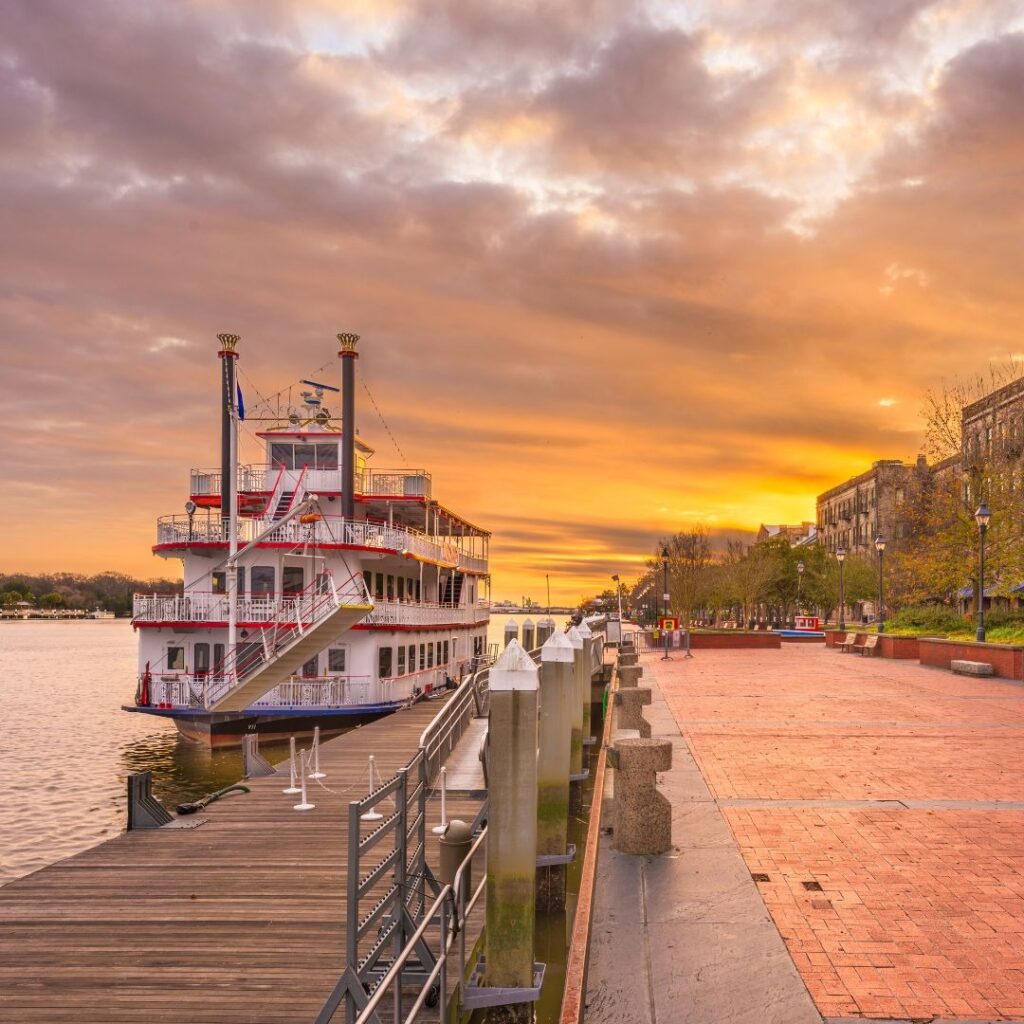
6. Savannah, Georgia: The Most Walkable City Nobody Puts First
Savannah does not get the same volume of attention as Charleston or Nashville, but it arguably outperforms both for a certain kind of traveler. The historic district is organized around a series of public squares shaded by old oak trees draped in Spanish moss. It is the kind of city where you walk out intending to grab coffee and return two hours later having found a bookshop, a ghost tour signup, and a rooftop bar you want to revisit at sunset.
River Street has been cleaned up considerably and now offers a mix of restaurants and local shops that hold up outside of tourist season. October through April is the sweet spot for weather and crowd levels.
7. Portland, Oregon: Weird by Design, Excellent by Accident
Portland rewards travelers who come without a fixed agenda. Powell’s Books alone justifies a half-day. The food cart scene, concentrated in pods across the city, serves some of the most diverse and affordable meals in America. Mount Hood is ninety minutes out. The coast is under two hours west.
For digital nomads, Portland has one of the strongest remote work cultures in the country. Cafes that tolerate long laptop sessions are not hard to find. The city’s public transport is functional and cheap. eSIM data across Oregon is consistent with most Tier 1 US carriers.

Connecting the Dots: Planning Multi-City US Travel in 2026
The smartest travelers in 2026 are not picking one city. They are building routes. New Orleans to Asheville makes geographic sense. Chicago to Savannah works well by train. Portland to Sedona is a drive worth doing once in a lifetime.
The common thread across all of these destinations is that reliable mobile data makes the experience significantly smoother. Whether you are navigating transit in Chicago, booking last-minute accommodation in Sedona, or finding the right food cart in Portland, staying connected matters. For travelers who want a data plan that covers multiple US stops without swapping physical SIMs, looking at the full breakdown of US travel destinations on Mobimatter gives a useful starting point for planning coverage alongside the itinerary itself.
Mobimatter’s eSIM plans for the US are worth comparing before departure, especially for international travelers who want a clean setup from day one.
FAQs
Which US city is best for digital nomads in 2026? Chicago, Portland, and Asheville consistently offer the best combination of affordable co-working spaces, solid internet infrastructure, and quality of life for remote workers. Each suits a different pace and climate preference.
Do I need an eSIM for travel within the United States? Not strictly required, but an eSIM removes the hassle of buying a physical SIM on arrival, especially useful for international visitors or those hopping between multiple cities. It activates instantly and switches between carriers where supported.
Is Hawaii worth visiting for a short trip? Honolulu works reasonably well for a five to seven day trip if you mix Waikiki with the North Shore and at least one cultural excursion. Shorter trips tend to feel rushed given travel time from the mainland.
What is the best month to travel across the US in 2026? September and October offer the strongest conditions across most destinations. Crowds thin out after summer, temperatures remain comfortable in most regions, and pricing tends to drop meaningfully.
Does Mobimatter offer eSIM coverage for Hawaii and Alaska? Mobimatter offers US data plans that cover Hawaii. Checking the specific plan details on their site before purchase is recommended, as coverage varies by plan and carrier network.Can I use an eSIM in rural areas like Sedona or the Blue Ridge Parkway? Coverage in scenic rural areas depends on the carrier. Major carriers like AT&T and T-Mobile provide reasonable coverage in and around Sedona and most of the Blue Ridge corridor, though deep backcountry areas may have gaps.