Legal and Environmental Considerations in Deceased Estate Waste Removal
Managing a deceased estate involves more than sorting through belongings and clearing a property. In Australia, there are important legal responsibilities and environmental obligations that must be followed to ensure the process is handled correctly, safely, and respectfully.
For families and executors looking for structured assistance, accessing a professional estate clean-up support can help ensure compliance while reducing stress during an already difficult time.
Understanding Legal Responsibilities in Estate Clearance
When a person passes away, the appointed executor (or administrator) becomes responsible for managing the estate. This includes handling assets, debts, and the proper disposal of property and waste.
Key legal duties include:
- Ensuring the deceased’s will is followed correctly
- Protecting and valuing estate assets
- Paying outstanding debts and taxes
- Distributing belongings to beneficiaries
- Managing property clearance lawfully
Failure to meet these responsibilities can lead to legal disputes or delays in probate.
Handling Documents and Privacy Obligations
One of the most overlooked legal aspects of estate clean-up is the management of sensitive documents.
Items that require careful handling:
- Bank statements and financial records
- Tax files and superannuation details
- Medical records
- Identification documents (passport, licence)
- Personal correspondence
Improper disposal of these materials may breach privacy laws under Australian regulations.
Safe disposal methods:
- Shredding paper documents
- Secure digital wiping of devices
- Using certified document destruction services
Environmental Regulations in Australia
Australia has strict environmental standards when it comes to waste disposal. Estate clearance must comply with both local council rules and state Environmental Protection Authority (EPA) guidelines.
Common regulatory requirements:
- Separation of recyclable and general waste
- Proper disposal of electronic waste (e-waste)
- Safe handling of chemicals, paints, and fuels
- No illegal dumping or unapproved landfill use
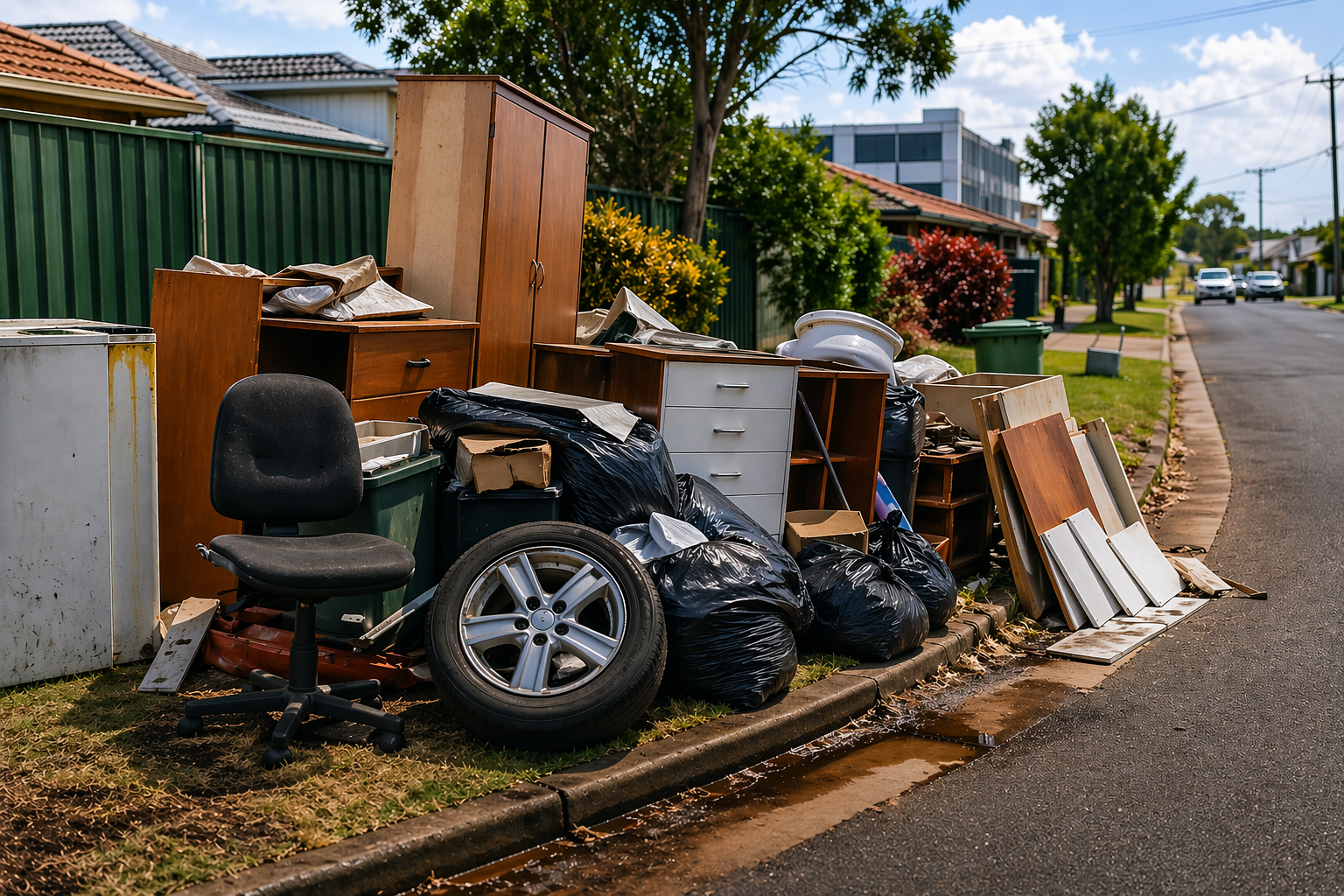
Different councils may also impose specific rules on bulk waste collection and hazardous materials.
Hazardous and Special Waste Considerations
Deceased estates often contain materials that cannot be disposed of through standard rubbish services.
Examples include:
- Paints, solvents, and cleaning chemicals
- Gas bottles and fuel containers
- Asbestos-containing materials (in older properties)
- Batteries and electronic devices
These items must be handled by licensed professionals to avoid environmental contamination and legal penalties.
Environmental Best Practice: Waste Hierarchy
A responsible estate clean-up should follow Australia’s waste hierarchy approach:
| Priority Level | Method | Description |
| 1 | Avoidance | Prevent unnecessary waste generation |
| 2 | Reuse | Donate or repurpose usable items |
| 3 | Recycling | Process materials into new products |
| 4 | Recovery | Energy recovery from waste |
| 5 | Disposal | Landfill as a last resort |
This approach reduces environmental impact and supports sustainability goals.
Penalties for Improper Waste Disposal
Improper handling of estate waste can lead to serious consequences under Australian law.
Possible penalties include:
- Fines for illegal dumping
- Council infringement notices
- Clean-up costs charged to the estate
- Legal liability for hazardous contamination
These risks highlight the importance of following proper procedures.
Compliance Checklist for Executors
To help ensure all legal and environmental requirements are met, here is a simple checklist:
| Task | Completed |
| Will and probate confirmed | ☐ |
| Assets and valuables secured | ☐ |
| Sensitive documents safely stored or destroyed | ☐ |
| Recyclable items separated | ☐ |
| Hazardous waste identified | ☐ |
| Council disposal rules reviewed | ☐ |
| Licensed removal arranged (if needed) | ☐ |
Practical Steps to Stay Compliant
Following a structured approach can make compliance much easier:
- Contact the local council for waste guidelines
- Identify regulated waste early in the process
- Keep records of disposal methods used
- Separate items into legal categories (keep, donate, dispose)
- Avoid rushed or undocumented dumping decisions
These steps help protect both the executor and the estate.
Why Professional Support Matters
Given the complexity of legal and environmental requirements, many families choose to work with experienced providers who understand compliance obligations.
Professional services ensure:
- Correct waste classification
- Safe handling of hazardous materials
- Environmentally responsible disposal
- Documentation for legal transparency
Working with a trusted team such as the RubbishGo waste removal specialists can help ensure the estate is cleared efficiently while meeting all regulatory expectations.
Environmental Responsibility Beyond Compliance
Beyond legal obligations, there is also a moral responsibility to minimise environmental harm during estate clearance.
Sustainable practices include:
- Donating usable furniture and clothing
- Recycling metals, timber, and electronics
- Reducing landfill contribution
- Choosing eco-conscious removal services
These actions not only protect the environment but also honour the legacy of the deceased through responsible stewardship.
Final Thoughts
Deceased estate waste removal is a process that sits at the intersection of legal duty and environmental responsibility. Executors and families must navigate privacy laws, council regulations, and sustainability expectations while managing a deeply personal and emotional task.
By understanding the rules, planning carefully, and seeking professional assistance when needed, the process becomes far more manageable and compliant.
Ultimately, responsible estate clearance is not just about removing items—it’s about ensuring everything is handled lawfully, ethically, and with respect for both people and the environment.